
The Vitality of Water
On Earth, water is, of course, essential. That may or may not be the case elsewhere in the Universe, but for us it is vital. We suffocate without the right sort of clean air, and we perish quickly if we don’t have clean water.
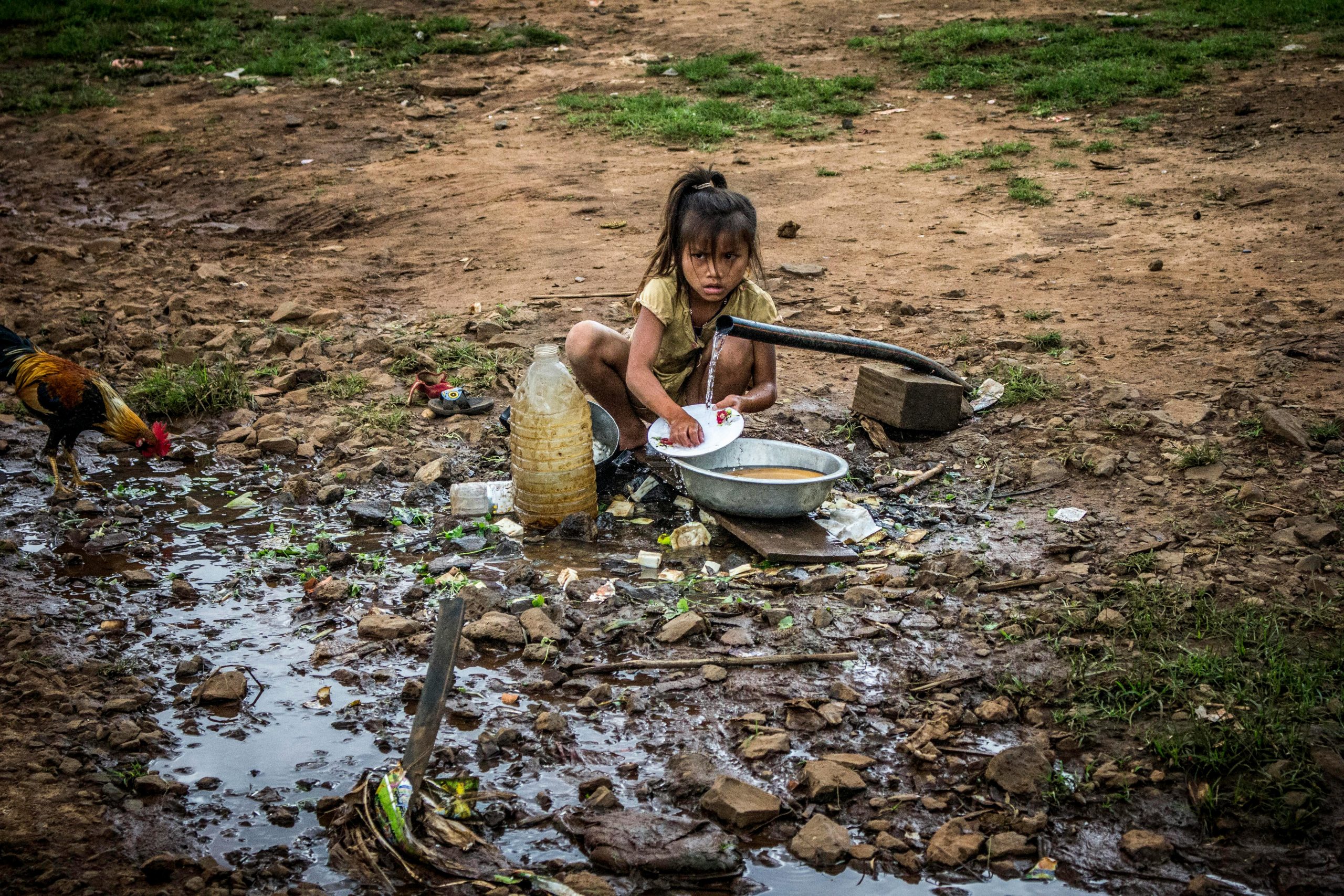
These days, amongst our pollution problems, our water supply is being pressured and negatively affected. There are nanoplastics everywhere now, including in bottled water. “The average litre of bottled water contains almost a quarter of a million nanoplastic fragments…” That finding certainly blows my mind. It leads one to wonder how this will affect our bodies as well as the entire ecosystem of the planet; you know, the only planet we have to live on. Perhaps someday in the fairly near future humans will be living on the Moon, Mars, and elsewhere in our solar system and beyond. However, for now we have nowhere to go, so we should really think carefully and seriously about caring for our only home. We’re presently on a course towards causing catastrophic problems for ourselves, to say the least.
Humans, humans, humans. People are the best. And as I am a human, I, too, must put humans first and above all other creatures, because, if nothing else, we must survive; after all, we are the best species… Evidently, we have the capacity to do so much good and fix all problems. But we also prove ourselves highly capable of total destruction. Humans can’t exist without an ecosystem. Granted that may be able to be created artificially for complete sustenance in space, for example, including “artificial” gravity. However, while we are technically in space, we’re sheltered on a planet that requires a complex natural ecosystem that we depend on for survival, meaning that we have to think about all other life forms if we want to survive.
In terms of contamination, there are other potential issues. According to BRITA, “Although lead is rarely found in water, it can sometimes be absorbed from old pipes and is highly poisonous when ingested. If you live in an area with soft water, you’re more at risk of this, as hard water usually features more limescale which typically blocks lead contamination.” An important point in relation to this is that limescale isn’t harmful. It’s just minerals – calcium and magnesium carbonate, to be precise.
From all of this, you might think, “Why can’t we just use science and technology to create water and solve our global water problems?” Good question.
In fact, it has been in progress for decades, from Cloud Seeding to projects such as fog-harvesting machines, Tsunami Products’ Atmospheric Water Generator, Whisson’s Windmill, and Aquaer, among others. While it’s possible to create water from scratch scientifically, combining hydrogen and oxygen atoms, it is a dangerous process requiring ever larger explosions in accordance with the quantity of water needed. Therefore, with reference to the article by howstuffworks, it is not a viable solution to the world’s water worries, although it is possible.
Aquaer, for example, is a company that, from Enrique Veiga, “invented a drinking water extractor that uses electricity to cool air until it condenses into water.” His invention can generate water in the desert. “Veiga founded a nonprofit, called Water Inception, with a vision to distribute his water-making machines to more refugee camps and other dry parts of the world.”
These inventions are incredible. They illustrate how innovation can solve many of our greatest problems, in a world where we will continue to use money and things and not stop growing in population and, therefore, need. Sometimes fighting the problem doesn’t work. Sometimes you have to harmonise, accepting the reality you are in and blending with it to improve the situation.
by J. R. William Marshall